Portable Emergency Connectivity: Satellite & Cellular Systems for First Responders

First responders and firefighters at a wildland fire incident command camp deploy a rugged portable dual-WAN satellite case alongside a FirstNet mobile network setup.

When a disaster strikes, the infrastructure everyone depends on for normal communication is often the first to fail. Cell towers lose power. Fiber lines get cut. Backhaul links to repeater sites go down. The moment connectivity is most needed, coordinating evacuations, directing search and rescue teams, and establishing incident command, is exactly the moment that standard networks stop working.

First responders, emergency management agencies, and public safety organizations cannot afford to depend on infrastructure that disasters destroy. The answer is a self-contained, self-powered portable connectivity system that brings its own network wherever it deploys.

This guide explains why both satellite-only and cellular-only solutions fall short in emergency scenarios, what dual-WAN failover provides that neither approach can achieve alone, and how a pre-assembled, portable Starlink system with enterprise routing and extended battery life gives first responders the connectivity they need for full operational days without shore power.

Continue reading…

The Best Starlink Mini Case for Business: What to Look for in a Portable Satellite Kit

An operator in a high-visibility safety jacket uses a laptop next to an open, rugged gray portable case housing an integrated satellite router and battery system on an outdoor job site.

A Starlink Mini carrying case for personal use is a foam-lined box that protects your dish during travel. A Starlink Mini hotspot case for business is an entirely different category: a portable connectivity system with 5G cellular failover, commercial-grade battery runtime, high-gain antennas, and enterprise router management. The difference matters when your operation depends on uninterrupted Internet access.

This guide compares consumer carry cases to purpose-built business systems, explains the criteria that matter for commercial deployments, and helps you determine which Starlink Mini case type best fits your requirements.

Continue reading…

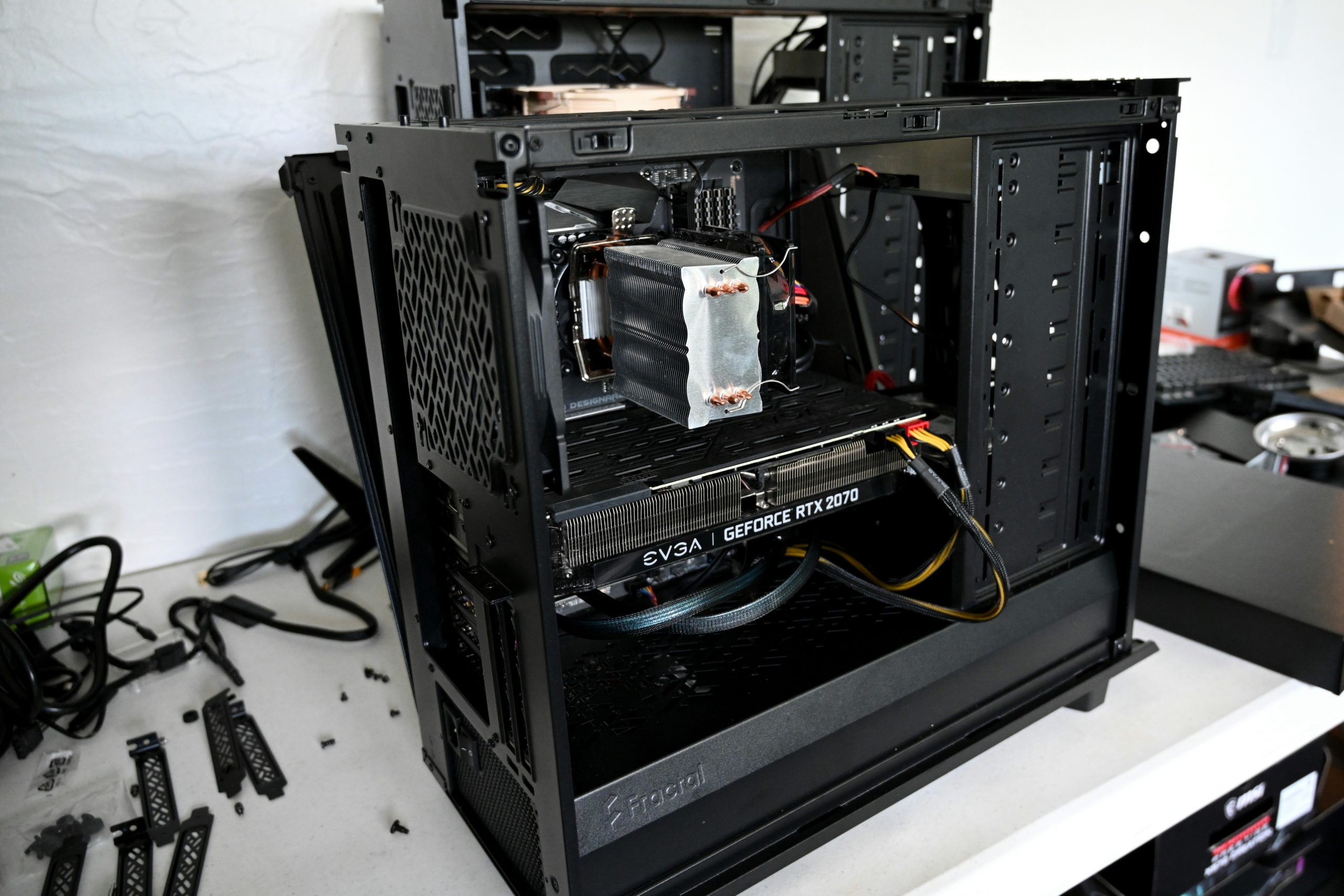
Rugged Edge GPU Systems: Choosing Hardware for Harsh Environments

Rugged edge GPU workstation with blue-lit PCIe expansion bays on a metal workbench in an industrial server room, surrounded by rack-mounted computing equipment

Standard computers fail in the field. Heat buildup destroys components, vibration loosens connections, and dust infiltration shorts circuits. When your application demands GPU-accelerated processing in a factory, vehicle, or outdoor installation, consumer and office-grade hardware simply will not survive.

A rugged edge computer solves this problem by combining industrial-grade construction with the processing power required for AI inference, machine vision, and real-time analytics. These systems are engineered from the ground up to operate reliably where standard PCs cannot: extreme temperatures, constant vibration, moisture exposure, and dusty environments.

This guide covers what to look for when selecting a rugged GPU system for harsh environments, including thermal management, ingress protection, shock and vibration ratings, and GPU performance tiers. By the end, you will understand how to match hardware specifications to your deployment conditions.

Continue reading…

Portable Starlink: How to Build a Reliable Mobile Satellite Internet System

Open black rugged IP67 protective case with Starlink Mini terminal mounted in the lid, placed on a wooden surface in a scenic outdoor environment with mountains and pine trees in the background. Professional product photography of a portable Starlink system designed for field and mobile use.

Starlink has changed what’s possible for connectivity in remote locations. But taking a Starlink Mini into the field for industrial operations requires more than the consumer kit and a battery pack. When your application demands reliable connectivity for SCADA systems, real-time monitoring, or coordinated field operations, a consumer setup introduces single points of failure that can take your entire operation offline.

Continue reading…

Edge vs Cloud AI: When to Keep Processing Local 

Edge vs Cloud AI image

Industrial environments generate massive volumes of data from sensors, cameras, and control systems. The challenge is converting this data into decisions fast enough to improve safety, efficiency, and uptime.

Cloud AI offers virtually unlimited compute resources and simplifies model training at scale. Edge AI delivers speed and autonomy. Understanding when each approach makes sense enables systems that leverage both.

Readers seeking foundational context can begin with the earlier blog on the basics of edge computing before exploring edge vs cloud trade-offs.

Continue reading…

How Edge AI Computers Transform Industrial Automation

AEC-6100 AI Embedded Computer supporting NVIDIA Jetson AGX Orin

Industrial environments generate massive volumes of data from sensors, machines, and visual systems. The challenge is converting this data into decisions fast enough to improve safety, efficiency, and uptime. Edge AI solves this by performing machine learning inference directly at the source rather than sending every signal to the cloud. This capability is now central to edge AI in manufacturing and to industrial machine vision AI workflows.

With GPU-powered systems such as the Axiomtek AIE100 ONA, Axiomtek AIE100 ONX, ASUS PE2100N, and ARBOR AEC 6100, organizations can deploy real-time intelligence in harsh, bandwidth-limited, or remote locations. These platforms enable predictive maintenance, automated inspection, and autonomous robotics. For buyers evaluating hardware options, Westward Sales maintains an extensivecatalog of edge AI computers for comparison and specification review.

Continue reading…

Understanding Edge Computing – What is it and Why is it Important?

What is edge computing?

Edge computing marks a paradigm shift in how companies process data, offering significant benefits. As edge computing devices continue to advance, companies can now process data more efficiently while remaining more secure.

But what is edge computing? How does it work, and what are the devices that make it possible? In this article, we’ll address all of these questions to help you fully understand edge computing and how it can benefit your organization.

Continue reading…

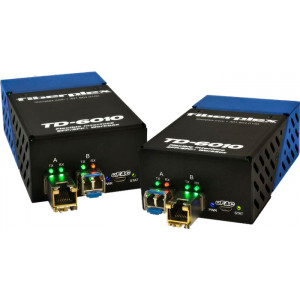
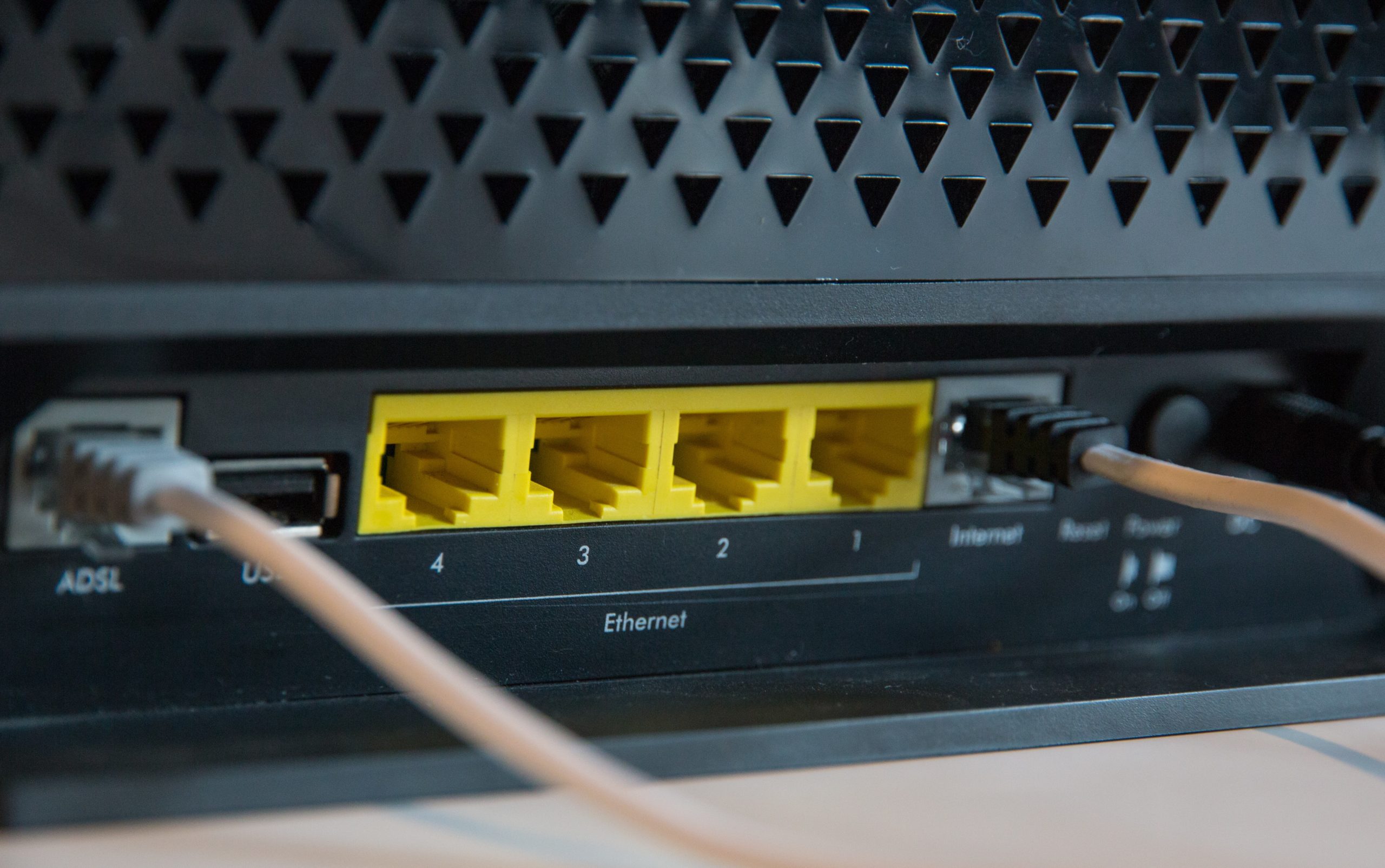
How to Choose Your Ideal Speed — Fast Ethernet vs. Gigabit Ethernet

Deciding between Fast Ethernet and Gigabit Ethernet may be challenging for many. However, the right choice can significantly enhance the performance of personal and business networks. 

The demand for faster, more reliable internet speeds continues to grow. Whether you’re streaming movies or managing a business with multiple networked devices, understanding the differences between these options is crucial. 

This guide gives you the knowledge to make a practical decision that best suits your needs.

Continue reading…

The Benefits of an Industrial Uninterruptible Power Supply (UPS)

Technician using tablet to monitor industrial UPS systems and power distribution equipment in a utility facility

Industrial-grade uninterruptible power supplies (UPSs) provide reliable power protection for many applications, including oil and gas, public infrastructure, automation, and manufacturing. UPS systems provide consistent power and protect electronics and microprocessors from power-related damage. No matter what your power needs look like or how demanding your environment is, an industrial UPS can keep your equipment running during anything from momentary brownouts to full-on power outages.

We often get asked about the difference between industrial models and more typical off-the-shelf UPSes. Industrial UPS systems are more expensive, so customers rightly wonder whether the investment is worthwhile.

The short answer is yes: if you’re responsible for industrial, outdoor, or high-priority sites, then you need to protect equipment and systems with an industrial UPS to increase reliability.

Continue reading…

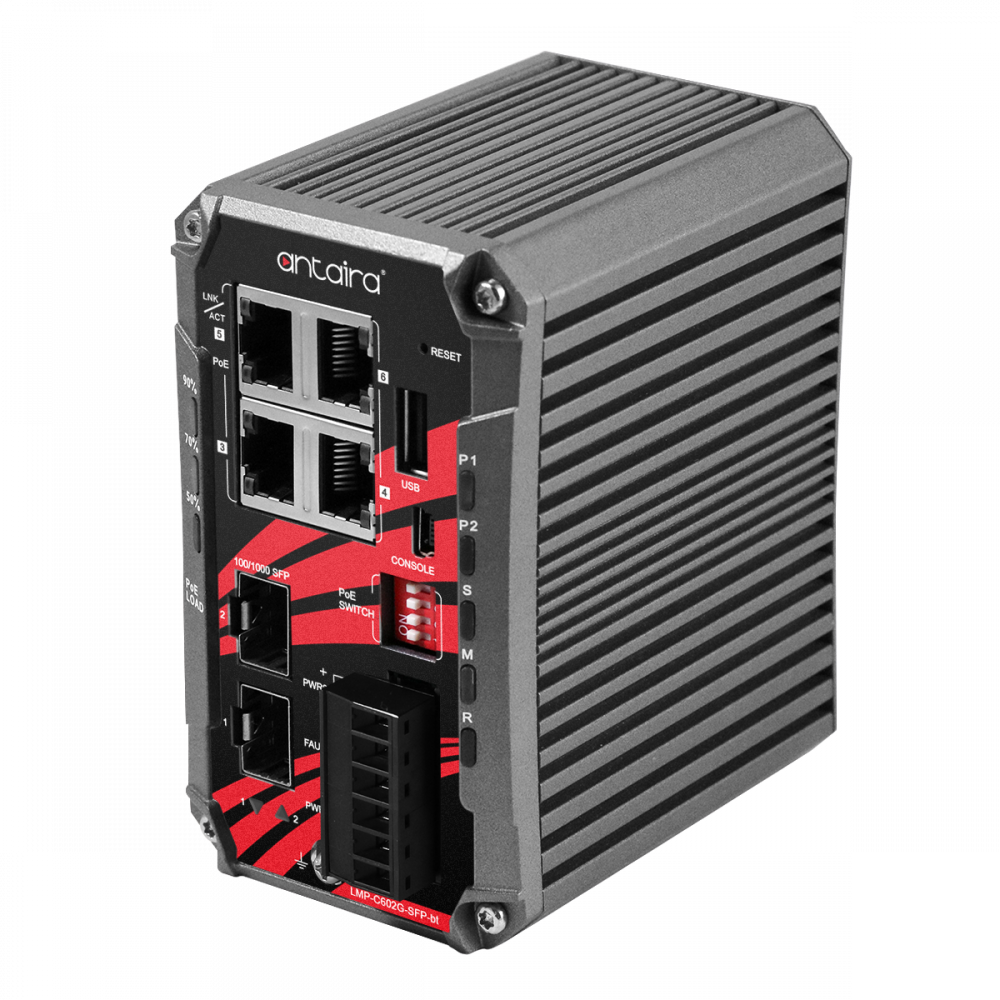
Set It and Forget It: All About Unmanaged Ethernet Switches

Antaira LNP-0500G-bt five-port industrial unmanaged PoE Ethernet switch

To operate effectively in today’s connected world, businesses require a robust network infrastructure. It’s not enough to have the right endpoint devices, such as edge computers and mobile hardware; businesses also need a stable, reliable network through which those devices can connect to other devices, the broader internet, and the network itself.

Continue reading…

Single-Mode vs. Multi-Mode Fiber Optics: Choosing the Right One for Your Network

Is multi-mode or single-mode fiber optics best for your network? It’s a common question, and the answer lies in understanding the core science and design differences between the technologies. The advantages and disadvantages of each will help paint a clear picture and lead you to the best choice for your specific needs. The choice hinges on a balance of performance, distance, and cost. Let’s delve into the details.

Continue reading…

A Business Guide to PoE Devices

Antaira LEP-301M-KIT PoE extender kit for long-distance Ethernet and power transmission

PoE technology can deliver better connectivity, simpler and safer wiring, and streamlined operations to just about any business or industrial network. But navigating the world of Power over Ethernet can be confusing. 

Here’s what businesses like yours need to know about PoE devices and how they can improve your network operations. 

Continue reading…

Streaming Video over Wireless Networks

Traffic light pole equipped with surveillance cameras and wireless access point in an urban smart city setting

It’s a wireless world— at least that’s how it feels for most people. In cities and towns of all sizes, wherever someone goes, devices connect effortlessly to a wireless network. Even when a WiFi network isn’t available, most people can use their smartphone as a hotspot that their devices can connect to.

Of course, in many remote and rural locations, this isn’t exactly the case. And even where wireless seems effortless, even magical, dig just a little deeper and there’s a whole lot of effort powering that effortless experience. It all works thanks to wireless access points connected to a wired or cellular Wide Area Network (WAN). These industrial-grade, outdoor-rated Wi-Fi access points enable “consumer connectivity” and enable a new generation of secure smart devices, such as surveillance cameras, license plate readers, and Internet of Things (IoT) sensors.

Continue reading…

The Benefits of a Rugged Portable WiFi Hotspot

Rugged portable WiFi hotspot designed for enterprise level remote connectivity

Most people don’t give network connectivity at work a second thought. They just show up, power on their computers, and start working: the internet is omnipresent and invisible for office-dwellers and work-from-home employees.

But for many others, it’s a different conversation. Setting up stable internet can be a challenge and a source of frustration for people who work in the field, who work in remote locations, or who need the ability to create their own connectivity in seconds.

For organizations and teams whose work often takes them outside the office, a rugged, portable WiFi hotspot is the innovative answer to establishing network connectivity. Construction sites, remote locations, and on-the-ground emergencies.

Continue reading…

Teltonika Remote Management Systems: Secure Network Management from Anywhere

Two screens showing Teltonika RMS

It’s not just routers and gateways anymore: today’s businesses rely on growing fleets of connected devices to work smarter and accomplish more. However, as a business adds more and more smart devices (often across multiple locations), managing those devices effectively becomes challenging: devices crash or lock up, need firmware updates, and sometimes just need manual user input. 

Managing a handful of these types of devices isn’t so difficult, but what about dozens? Hundreds? Thousands? Also, more traditional network devices (like routers and gateways) need to be managed, too.

For many businesses, a remote management system is the right solution for managing connected devices at scale and across distances.

Continue reading…