Single-Mode vs. Multi-Mode Fiber Optics: Choosing the Right One for Your Network

Share

Is multi-mode or single-mode fiber optics best for your network? It’s a common question, and the answer lies in understanding the core science and design differences between the technologies. The advantages and disadvantages of each will help paint a clear picture and lead you to the best choice for your specific needs. The choice hinges on a balance of performance, distance, and cost. Let’s delve into the details.

Continue reading…

Streaming Video over Wireless Networks

Traffic light pole equipped with surveillance cameras and wireless access point in an urban smart city setting
Share

It’s a wireless world— at least that’s how it feels for most people. In cities and towns of all sizes, wherever someone goes, devices work by connecting effortlessly to a wireless network. Even when a WiFi network isn’t available, most people can use their smartphone as a hotspot that their devices can connect to.

Of course, in many remote and rural locations, this isn’t exactly the case. And even where wireless seems effortless, even magical, dig just a little deeper and there’s a whole lot of effort powering that effortless experience. It all works thanks to wireless access points connected to a wired or cellular Wide Area Network (WAN). These industrial-grade and outdoor-rated Wi-Fi access points enable “consumer connectivity,” and they also make possible a new generation of secure smart devices, such as surveillance cameras, license plate readers, and Internet of Things (IoT) sensors.

Continue reading…

Teltonika Remote Management Systems: Secure Network Management from Anywhere

Two screens showing Teltonika RMS
Share

It’s not just routers and gateways anymore: today’s businesses rely on growing fleets of connected devices to work smarter and accomplish more. However, as a business adds more and more smart devices (often across multiple locations), managing those devices effectively becomes challenging: devices crash or lock up, need firmware updates, and sometimes just need manual user input. 

Managing a handful of these types of devices isn’t so difficult, but what about dozens? Hundreds? Thousands? Also, more traditional network devices (like routers and gateways) need to be managed, too.

For many businesses, a remote management system is the right solution for managing connected devices at scale and across distances.

Continue reading…

Rugged Network Devices: Enhancing Connectivity in Harsh Environments

Proxim MP-1045 Base Station | Westward Sales
Share

Sometimes, good network equipment is just not enough. Rugged network devices such as Ethernet switches, media converters, access points, and cellular routers must handle abusive industrial and outdoor environments. In these cases, finding the right product that meets the exact ruggedness level proves challenging. Knowing the environment and associated industry standards drives the best solutions.

Continue reading…

WiFi Bridge vs. Repeater: Key Differences Explained

ARS-7235-PSE-AC-main
Share

WiFi networks make up integral communication infrastructure for countless businesses in many
industries. As organizations grow, WiFi must expand to accommodate more users and clients. When
designing and maintaining networks, several choices may be deployed. A common choice pits a WiFi
bridge against a WiFi repeater.

Which is right for any given scenario?

The answer is found in understanding the technical differences between the two. While many WiFi
networking devices offer both functions, which is best for forward-thinking and efficiently solving
networking challenges? 

It starts with a concise breakdown of each type of technology.

Continue reading…

How to Optimize Your Network with Cradlepoint NetCloud

Cradlepoint Netcloud Icon
Share

Cradlepoint NetCloud is revolutionizing network functionality and reliability, making it an ideal tool for moving the digital ecosystem forward. The company offers a comprehensive solution featuring secure SD-WAN capabilities, efficient cloud management, and versatile router options.

In this article, we’ll explore how to optimize your network with NetCloud, providing detailed insights into its features, deployment strategies, and the powerful benefits it can bring to your organization.

Continue reading…

How to Choose Your Ideal Speed — Fast Ethernet vs. Gigabit Ethernet

Share

Deciding between Fast Ethernet vs. Gigabit Ethernet may be challenging for many. However, the right choice can significantly enhance personal and business network performance. 

The demand for faster, more reliable internet speeds continues to grow. Whether you’re streaming movies or managing a business with multiple networked devices, understanding the differences between these options is crucial. 

This guide gives you the knowledge to make a practical decision that best suits your needs.

Continue reading…
The Ultimate Guide To Picking An Industrial Ethernet Switch: What You Need To Know

Ethernet Swith
Share

Choosing the right Ethernet switch is paramount for ensuring seamless communication and data transmission in rugged environments. 

An Industrial Ethernet switch is the backbone of automation systems. This systemlinks various devices and equipment in factories, manufacturing plants, transportation systems, and beyond. With numerous options available, the selection process may seem daunting. With essential knowledge, you can confidently navigate the process and make informed decisions tailored to your specific needs.

Continue reading…

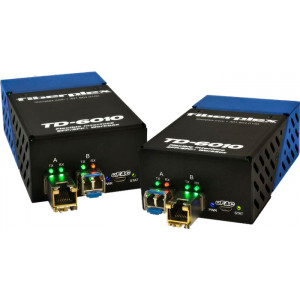
How To Choose The Right Fiber Media Converter

Share

Are you on the fence about the right converter for your project? A fiber media converter is a straightforward yet valuable device that converts fiber optics and other media types. 

Its primary function is facilitating transmission between fiber and copper, extending a network’s reach, or integrating fiber optic cabling into a copper-based network. 

Due to their affordability and versatility, you can deploy these converters throughout a network for various purposes. However, the market offers numerous fiber media converters, leading to confusion when selecting the most suitable one for specific projects. 

This post provides a guide for choosing the appropriate converters.

Continue reading…

5 Surprising Ways Industrial Networking Solutions Increase Efficiency

Share

Regardless of the industry to which you belong, efficiency is paramount. Amidst this quest for efficiency, industrial networking solutions have emerged as unsung heroes, revolutionizing how industries operate. 

Beyond mere connectivity, these solutions offer many benefits, some of which might surprise you. Every process, every piece of machinery, and every piece of data counts towards optimizing operations. These factors also help you stay ahead of the competition. 

Let’s delve into five unexpected ways industrial networking solutions increase efficiency. 

Continue reading…

4 Exclusive Benefits of Using an Ethernet Extender

Share

A single fiber optic cable is capable of carrying a signal for approximately 60 miles before a repeater is needed to amplify the signal. Standard Ethernet cables, though, are not nearly so efficient. In most cases, an Ethernet cable can transmit a signal about 100 meters before you run into issues. This situation is where an Ethernet extender comes into the equation.

Continue reading…

Exploring the Fundamentals of Industrial Wi-Fi Mesh Network Systems

Share

Industrial networking never stops advancing. There will always be new technologies and techniques to improve your communication, and it’s essential to keep up. One of the latest trends is industrial Wi-Fi mesh network systems.

While mesh networks have been around for a while, they have only recently been seen at an industrial scale. Now, products are available that enable large-scale industrial mesh networks, so it’s meaningful to understand what they can do for you.

Continue reading…