

Edge computing marks a paradigm shift in how companies process data, and it’s one that offers a lot of benefits. As edge computing devices continue to advance, companies are now able to process data in a way that’s more efficient while at the same time being more secure.
But what is edge computing, how does it work, and what are the devices that make it possible? In this article, we’ll address all of these questions to help you fully understand edge computing and how it can benefit your organization.
What is Edge Computing?
A variety of applications uses edge computing. This includes autonomous vehicles, smart cities, industrial automation, healthcare monitoring, and more. In any application where real-time data processing and low latency are critical, edge computing offers significant advantages.
Rather than the cloud or a centralized data center, edge computing involves processing data close to the location where the data is generated. Compared to other options, this offers many key benefits.
When data is generated on devices like sensors, cameras, and smartphones, raw data is sent to nearby edge devices or local edge servers, where it is processed. This local processing can involve filtering, aggregating, and analyzing the data. Traditionally, data collected from these devices would have to be sent to the cloud or an off-site data center. It can be processed at the same location with edge computing devices.
Why is Edge Computing Important?
In recent years, edge computing has become a mainstay in a variety of industries. Here are the top reasons why:
Reduced Latency
By processing data closer to its source, edge computing significantly reduces latency. Since data doesn’t have to travel from the source to the processing center and back, processing times can be drastically sped up. This allows for real-time data analysis and decision-making, which is crucial for a wide range of applications.
Bandwidth Efficiency
Edge computing reduces the amount of data needed to be sent to centralized cloud servers. It does so by processing data locally. This optimizes bandwidth usage and helps alleviate network congestion. This is especially helpful in environments with limited connectivity or high data volumes.
Improved Privacy and Security
Edge computing helps keep sensitive data private and secure by giving hackers less opportunity to intercept it. Local data processing means data does not have to be transmitted over potentially insecure networks. This reduces the risk of data breaches, and it also helps organizations maintain compliance with privacy regulations and standards.
Cost Efficiency
Edge computing helps organizations cut costs by reducing the need for extensive data transmission and cloud storage. Local processing means you won’t be reliant on high-bandwidth connections and extensive cloud infrastructure, and the result is lower operational costs. Edge computingreduces your upfront costs as well since edge devices are often more affordable to deploy compared to centralized data centers.
Enhanced Reliability
With edge computing, data processing can continue even if the connection to the central cloud is lost. What this means is that critical applications remain operational despite network disruptions. In scenarios involving mission-critical systems, this localized processing ensures that operations remain functional despite network outages or latency issues.
Scalability
By distributing data processing across multiple devices and locations, edge computing allows organizations to create a computing system that is much more scalable. As the volume of data grows, companies simply add new devices to the system instead of upgrading their data centers. This provides a flexible and efficient way for companies to scale without the fear of overwhelming central cloud resources.
Edge Computing Solutions
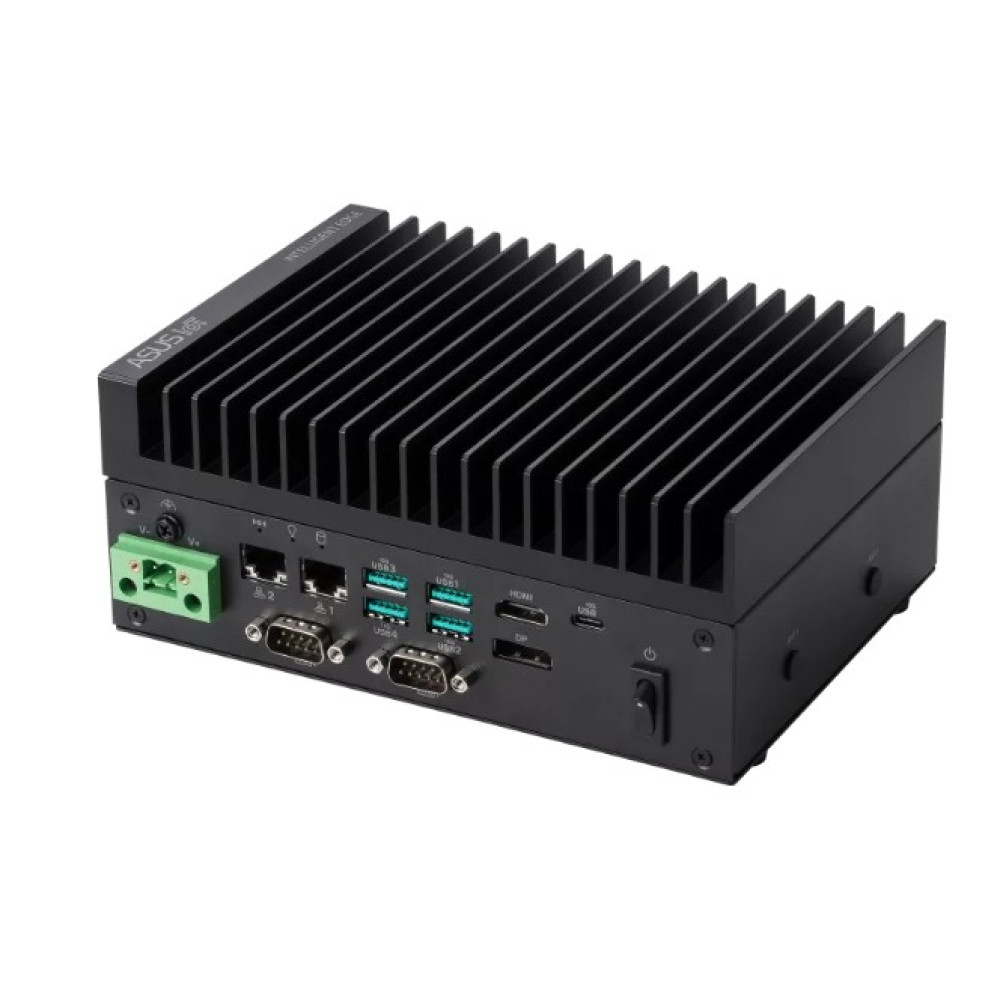
Westward Sales offers a wide range of edge computing products that are perfect for capitalizing on the many benefits of local data processing. Just a few of the high-quality edge devices available at Westward Sales include:
- ASUS MDS-M700 Medical Grade Edge AI GPU Computer, 13th/12th Gen Intel Core
- ASUS EBS-S500W Fanless Embedded Computer with Intel Core Ultra Processor
- ASUS PE1000N Intelligent Edge Computer, NVIDIA Jetson (Nano, TX2 NX, Xavier NX)
When choosing which edge computing solution is best for your needs, there are several important factors to consider. First, consider processing power—if your use case involves AI workloads or real-time analytics, look for devices with robust CPUs and GPUs, such as Intel Core processors or NVIDIA Jetson platforms. Environmental durability is also important to keep in mind, as edge devices may need to withstand extreme temperatures, shock, vibration, and humidity. Other key factors to consider include scalability, power efficiency, software compatibility, and security features.
Industrial Use Cases for Edge Computing
Edge computing supports a wide range of industrial workloads where low latency or data locality is essential.
1. Machine Vision and Automated Inspection
Edge devices analyze camera feeds directly at the point of capture. This improves defect detection speed and reduces reliance on high-bandwidth connections. Hardware options from the edge AI computers category support multi-camera and high-resolution inspection pipelines.
2. Predictive Maintenance and Asset Monitoring
Sensors stream vibration, temperature, and electrical data into local inference engines. Edge processing identifies early failure patterns and allows teams to intervene before downtime occurs. Some organizations pair real-time edge inference with offline AI model training on GPU workstations.
3. Autonomous Robotics and AGVs
AMRs (Autonomous Mobile Robots) and robotic arms rely on consistent perception and control. Local compute supports navigation, obstacle detection, and real-time decision making even when wireless connectivity fluctuates.
4. Environmental and Remote Site Monitoring
Edge computing reduces the need for continuous backhaul from remote industrial locations. Data is filtered, analyzed, and compressed locally, which is especially valuable in energy, utilities, and environmental operations. Ruggedized options from our rugged systems category perform well in these locations.
5. IIoT (Industrial Internet of Things) Gateways and Local Aggregation Nodes
Edge nodes consolidate data from PLCs, sensors, and legacy controllers before forwarding summarized insights upstream. This improves responsiveness and reduces network load. Compact solutions from the embedded computers category are commonly used for this role.
These use cases demonstrate how edge computing in industrial automation forms the backbone of modern Industry 4.0 and IIoT architectures.
Frequently Asked Questions About Edge Computing
Edge computing performs data processing locally, while cloud computing centralizes it in remote data centers. This difference affects latency, bandwidth use, and reliability.
Yes. Only filtered or summarized results move upstream. Raw data stays on site, which is helpful for high-volume workloads such as machine vision or multi-sensor IIoT data.
Often it is. Many industrial systems must continue operating even if a connection drops. Localized processing ensures uptime and consistent behavior.
Rugged embedded computers, compact accelerators, and industrial GPU platforms are typical. These include ARM-based edge processors, x86 gateways, and Jetson-based systems like those found in our NVIDIA Jetson systems catalog.
Machine vision, predictive maintenance, robotics, and energy monitoring are common areas. For AI-focused applications, visit our article on how edge AI transforms industrial automation for deeper examples.
Not usually. Most organizations adopt a hybrid approach. The edge handles real-time decisions, and the cloud manages long-term analytics, backups, and model training.
Continue Exploring AI at the Edge
Mobile edge computing has been a revelation for companies across a variety of industries. Thanks to benefits like reduced latency, improved bandwidth, enhanced security, and more, there are a lot of applications where edge computing is superior to processing data on the cloud or a centralized server.
If your organization is beginning to integrate local processing with automation, the next step is understanding how edge computing works alongside artificial intelligence. For a detailed look at real-time inspection, predictive maintenance, and robotics use cases, see our article on how edge AI transforms industrial automation. It expands on the concepts introduced here with practical examples from manufacturing and industrial operations.
Westward Sales will help you get started leveraging edge computing within your organization! We offer some of the most advanced and capable edge computing devices on the market today. Be sure to browse our catalog to see what Westward Sales offers, or feel free to contact us to learn more about any of our leading edge computing solutions.

provides a flexible and efficient way for companies to scale without the fear of overwhelming central cloud resources?