How Edge AI Computers Transform Industrial Automation

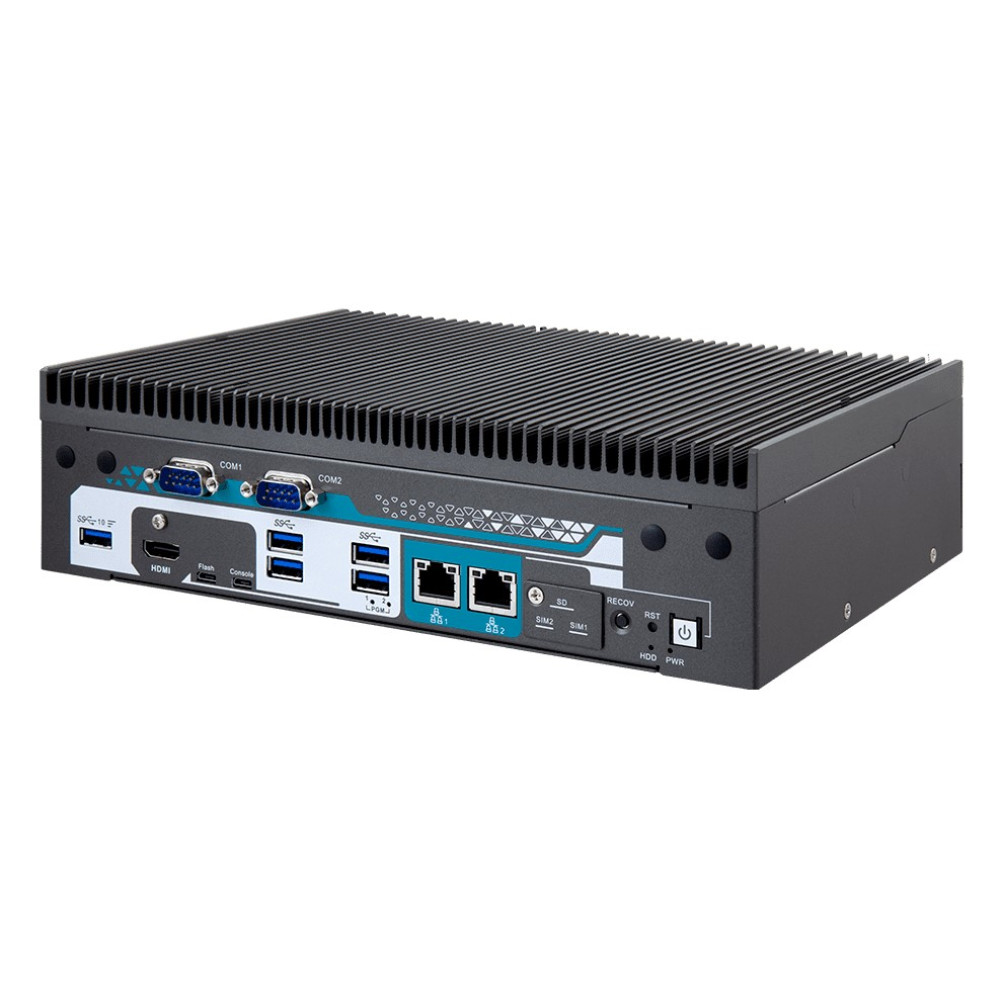
AEC-6100 AI Embedded Computer supporting NVIDIA Jetson AGX Orin
Share

Industrial environments generate massive volumes of data from sensors, machines, and visual systems. The challenge is converting this data into decisions fast enough to improve safety, efficiency, and uptime. Edge AI solves this by performing machine learning inference directly at the source rather than sending every signal to the cloud. This capability is now central to edge AI in manufacturing and to industrial machine vision AI workflows.

With GPU-powered systems such as the Axiomtek AIE100 ONA, Axiomtek AIE100 ONX, ASUS PE2100N, and ARBOR AEC 6100, organizations can deploy real-time intelligence in harsh, bandwidth-limited, or remote locations. These platforms enable predictive maintenance, automated inspection, and autonomous robotics. For buyers evaluating hardware options, Westward Sales maintains an extensive catalog of edge AI computers for comparison and specification review.

Continue reading…
How Cat 1 and Cat M1 Are Replacing 2G and 3G Cellular Networks

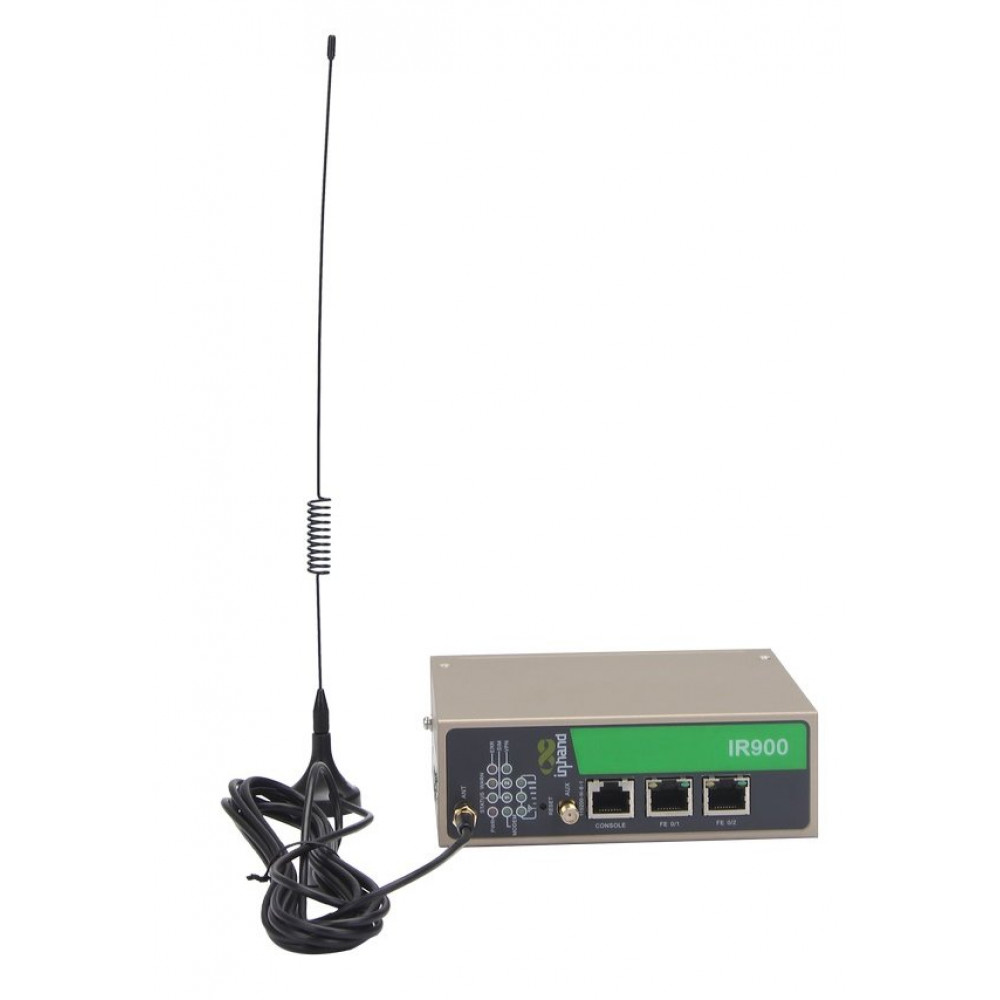
InHand Networks IR912 LTE Router
Share

Sure, Internet of Things (IoT) is great. It’s easy to see the potential benefits of data mining and better analytics. None of that makes it easy to implement. IoT networks tend to be large in both size and throughput, and it presents plenty of challenges from the design standpoint. One of those challenges is incorporating older equipment into IoT networks without spending a fortune. For a while, 2G and 3G worked well for many networks, but major carriers are phasing them out. LTE Category 1 (Cat 1) is a replacement for legacy 2G and 3G. Cat M1 and NB1 are not far behind. These new, low-bandwidth technologies help many IoT networks expand capacity for surprisingly little money. Continue reading…

How to Improve Security with IoT Intranets

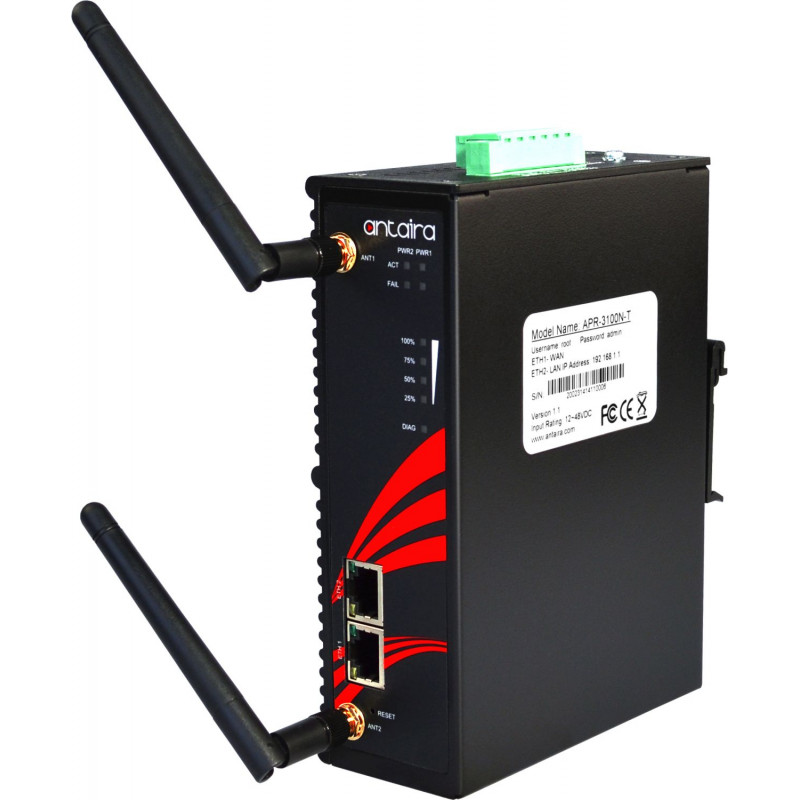
Antaira APR-3100 Industrial Access Point
Share

Everyone loves to rave about the benefits of the Internet of Things (IoT).  However, few people appreciate the demands IoT systems bring to the table. Cost management and network design are hard enough, but the bulk of IoT field devices operate at minimum power and data flow. Many were deployed in control and automation facilities decades ago and support only simple communication functions.  This creates a unique security challenge. IoT can force a designer to incorporate anywhere from hundreds to millions of endpoint devices without being able to secure them on an individual basis. There are many approaches to solving this problem.  One feasible solution is to create private networking layers to minimize risk without spending exorbitant amounts on each IoT device. Continue reading…