How to Improve Cell Service with a Signal Booster

Share

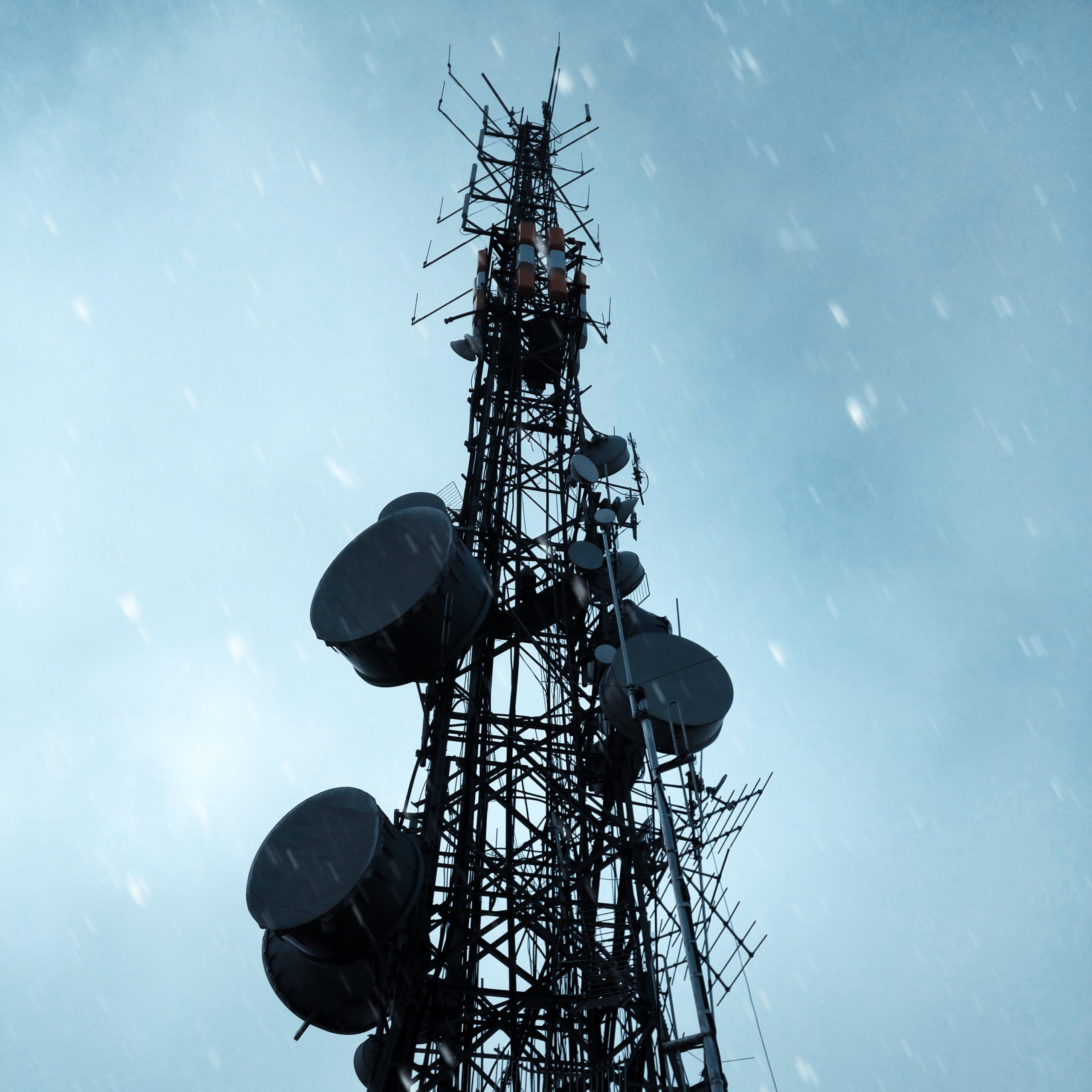
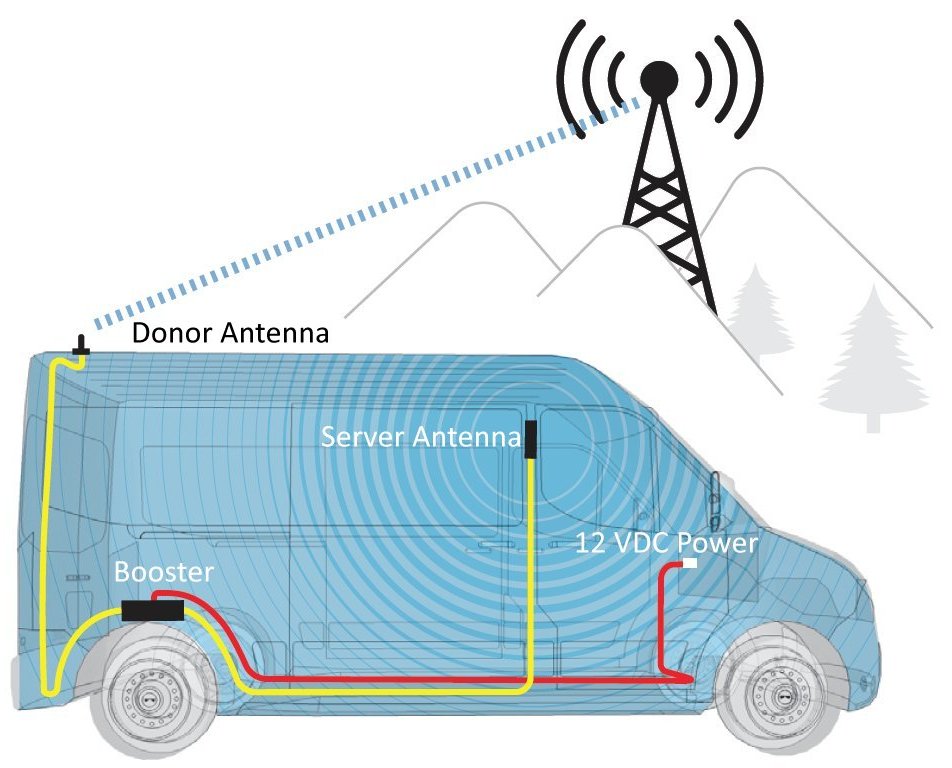
The Pew Research Center conducted a study in February 2019 to determine who in the U.S. uses a cell phone. Not surprisingly, they discovered that 96 percent of Americans use some kind of cell phone. With cell phones in the purse or pocket of nearly everyone, people today take cellular communication for granted. Until that is, they cannot get reliable service — a problem that people using landline phones rarely experience. Low signal strength in the service area is the most common reason for poor reception. Fortunately, signal boosters solve that problem and restore solid, reliable communication. Let’s look at how they work and how you can tell if a booster will help.

Continue reading…

Wireless Network Design Strategies for Outdoor Surveillance

topology
Share

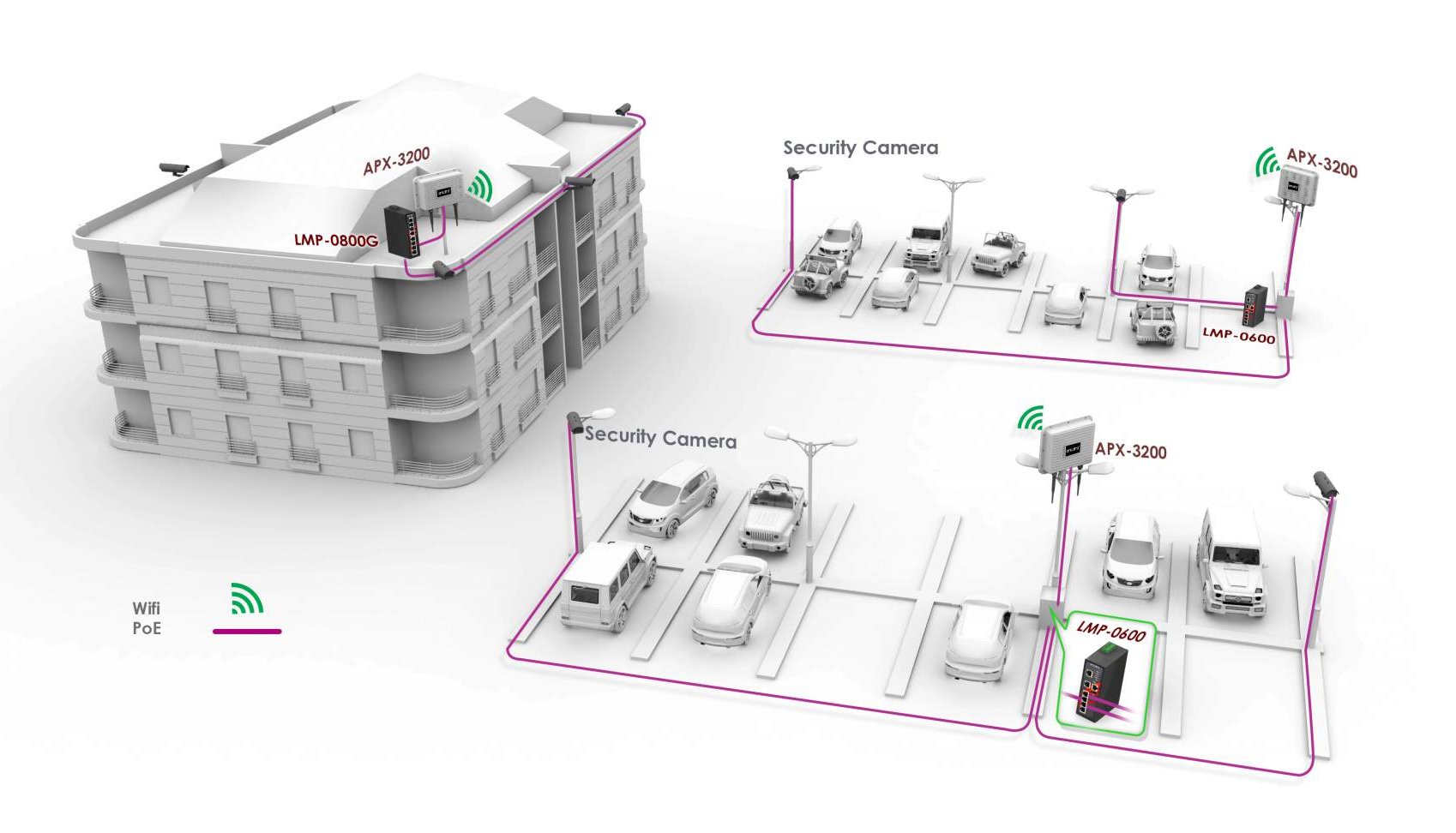
Video surveillance is vital for businesses and public spaces. Building a remote outdoor surveillance system presents significant challenges, especially one that is off-grid and requires wireless communication. How will your video be recorded and accessed? How will you power the cameras? Which cameras should be used? There are plenty of options to consider when installing cameras on a cellular or wireless local area network (WLAN). Three of the most significant issues to resolve are bandwidth, power, and security.

Continue reading…

How Cat 1 and Cat M1 Are Replacing 2G and 3G Cellular Networks

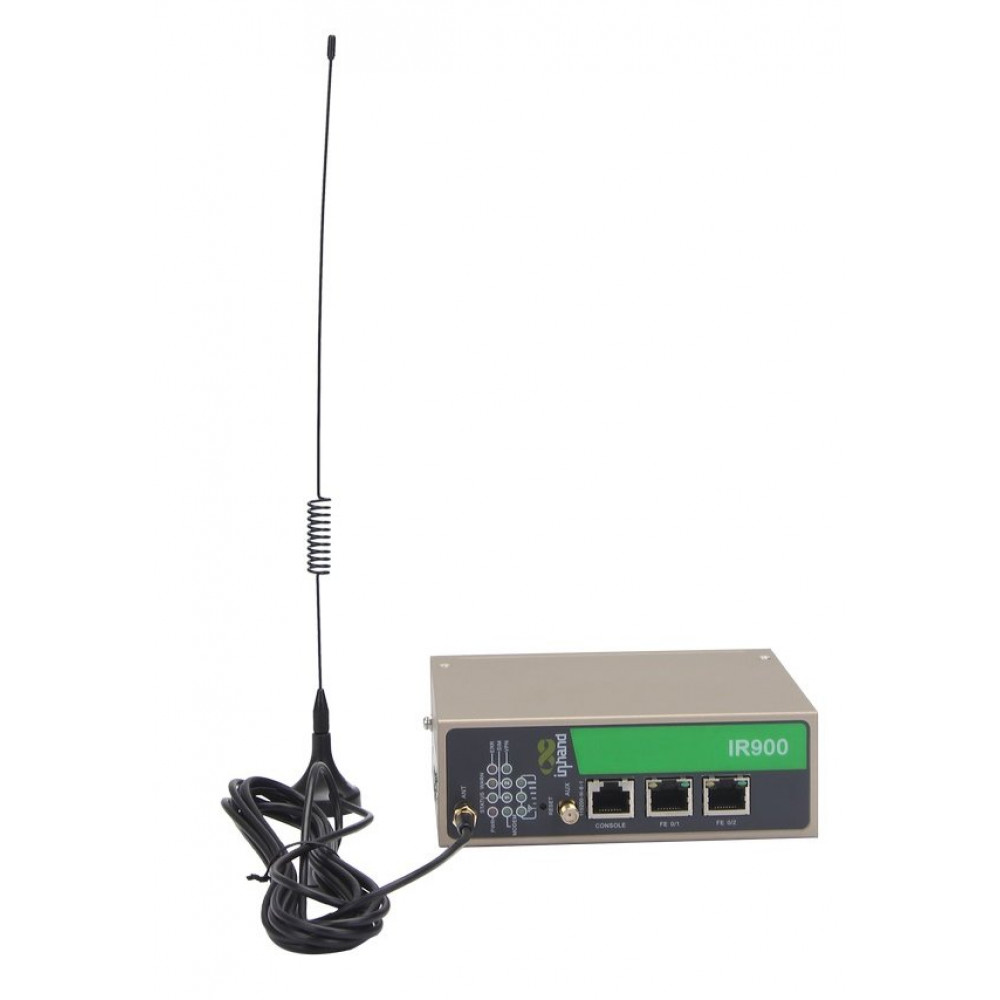
InHand Networks IR912 LTE Router
Share

Sure, Internet of Things (IoT) is great. It’s easy to see the potential benefits of data mining and better analytics. None of that makes it easy to implement. IoT networks tend to be large in both size and throughput, and it presents plenty of challenges from the design standpoint. One of those challenges is incorporating older equipment into IoT networks without spending a fortune. For a while, 2G and 3G worked well for many networks, but major carriers are phasing them out. LTE Category 1 (Cat 1) is a replacement for legacy 2G and 3G. Cat M1 and NB1 are not far behind. These new, low-bandwidth technologies help many IoT networks expand capacity for surprisingly little money. Continue reading…

How to Improve Security with IoT Intranets

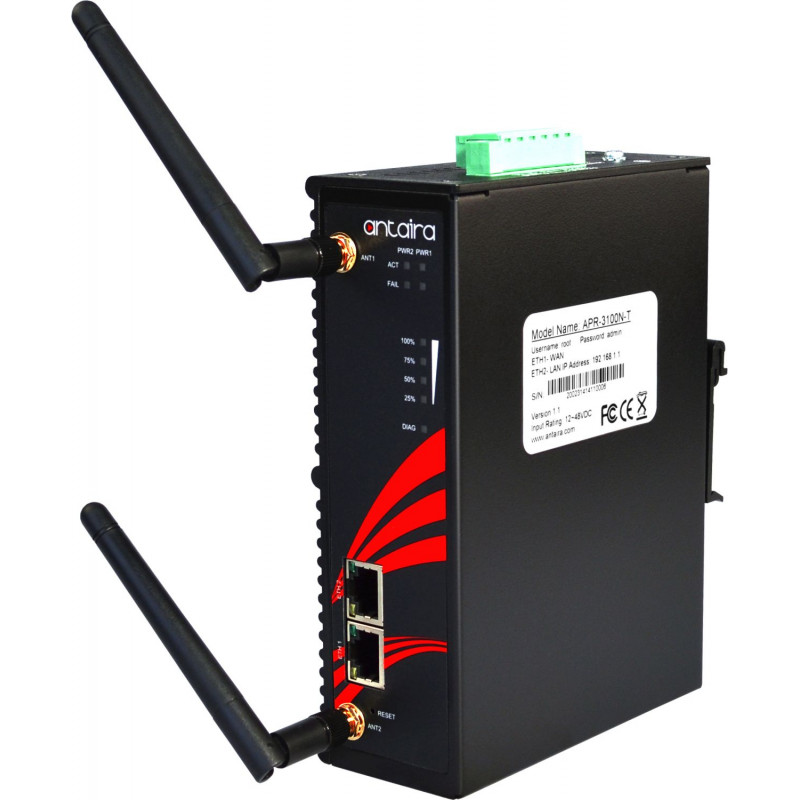
Antaira APR-3100 Industrial Access Point
Share

Everyone loves to rave about the benefits of the Internet of Things (IoT).  However, few people appreciate the demands IoT systems bring to the table. Cost management and network design are hard enough, but the bulk of IoT field devices operate at minimum power and data flow. Many were deployed in control and automation facilities decades ago and support only simple communication functions.  This creates a unique security challenge. IoT can force a designer to incorporate anywhere from hundreds to millions of endpoint devices without being able to secure them on an individual basis. There are many approaches to solving this problem.  One feasible solution is to create private networking layers to minimize risk without spending exorbitant amounts on each IoT device. Continue reading…

Managing IoT Over Long Distances with LPWAN

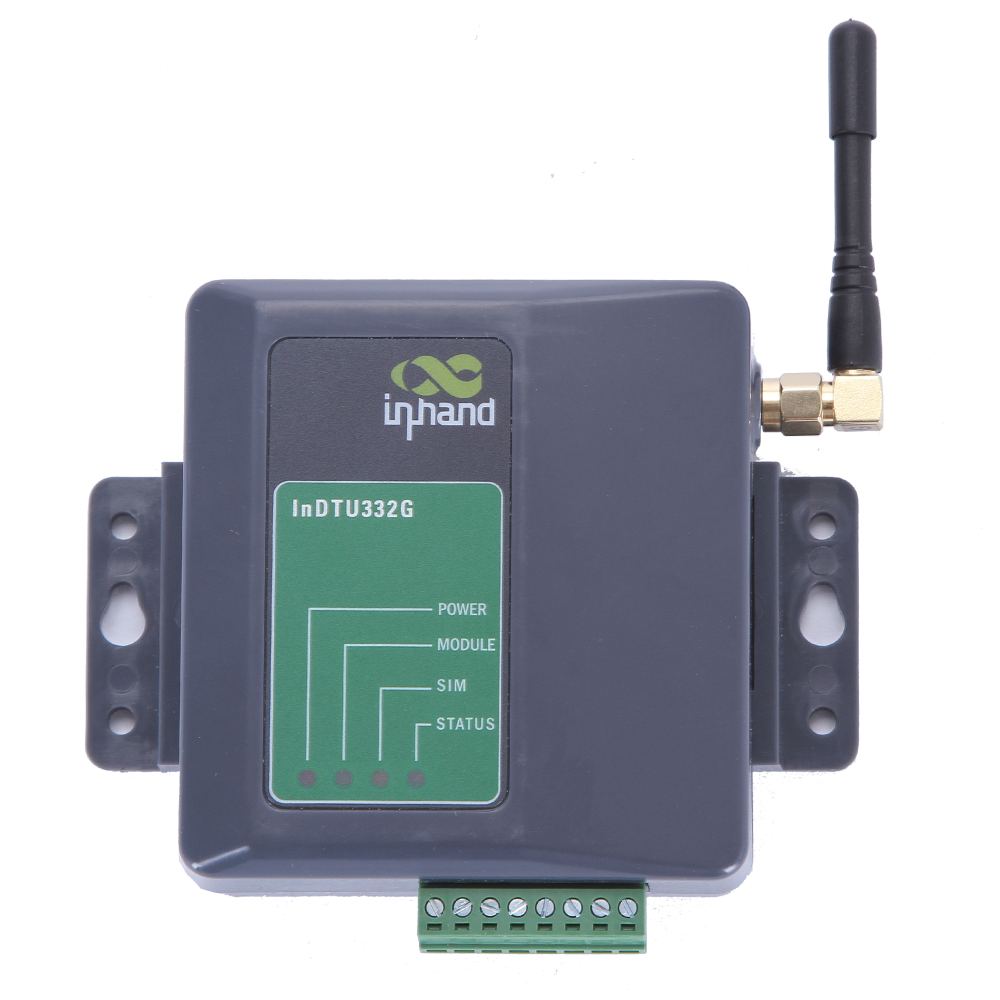
InHand InDTU332 Cellular Modem
Share

At this point, most IT pros and network engineers do not need to be convinced of the value of the Internet of Things (IoT). Instead, the focus is on finding practical ways to implement the technology. With explosive levels of adoption, there are many options out there. Some manufacturers are simply rolling Wi-Fi into everything. While this can work, it’s not economical over long ranges. The obvious alternative is to use LTE. Although, LTE data plans can get pricey. In the end, managing IoT over long distance amplifies the standard problems of large networks. Technologies used to connect IoT devices are commonly called Low-Power Wide Area Networks (LPWAN). LPWAN may implement legacy cellular technology or direct radio communication. Continue reading…